

About
On the June 2026 ballot, vote YES to protecting our open space and agriculture, safety from wildfire, limiting traffic, and encouraging housing where it makes sense.
_cropped.jpg)
Yes on Measure A
Contra Costa County:
This June Election, Vote YES on Measure A!
Our Urban Limit Line is a vital conservation tool for the county. Because urban-style development can’t occur outside the line, development threats to open space and agriculture are reduced.
Plus, our county Urban Limit Line helps keep us safe from wildfire.
Most of the county outside the Urban Limit Line is designated as either Very High or High Fire Hazard Severity Zones, meaning that these places are the most likely to burn and the worst places to build.
The benefits don't stop there. The Urban Limit Line helps prevent traffic from getting worse. The more people have to drive, and the more cars on the road, the worse traffic gets.
This election, say YES to protecting our open space and agriculture, safety from wildfire, limiting traffic, and encouraging housing where it makes sense.

Frequently Asked Questions
What’s an Urban Limit Line?
The Urban Limit Line has been in place in Contra Costa County for the last 36 years. It’s a line that an agency adopts beyond which “urban-style” development, like an industrial area or large residential subdivision, cannot occur.
It’s a crucial land use tool that helps focus development inside the line closer to freeways, transit, and existing services like stores and businesses. Yes on A!

How Does the Urban Limit Line Protect Open Space and Agriculture?
Because urban-style development can’t occur outside the line, development threats to open space and agriculture are reduced.
Open space and agricultural activities can still occur outside the line, including some house building, such as a house on a land parcel zoned as agriculture (the idea being, the landowner or workers reside on the land). Yes on A!
Photo Credit: Scott Hein
How Does It Protect Our Homes from Wildfire?
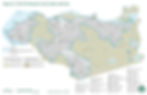
Most of Contra Costa County outside the Urban Limit Line is designated by the State Fire Marshal as either Very High or High Fire Hazard Severity Zones (red and orange areas in above Cal Fire map).
These places are the most likely to burn and the worst places to build houses or businesses.
By focusing development away from these areas, the Urban Limit Line keeps our communities safe. It makes tragedies like the ones that have burned entire towns and displaced communities over the past decade much less likely. Yes on A!
How Does It Limit Traffic?
The Urban Limit Line helps prevent development from expanding ever outward into agriculture and open space in far-flung parts of Contra Costa County.
The more development sprawls out, the more people have to drive, and the more cars on the road, the worse traffic gets.
Imagine how different rush hour would be if instead of continuously expanding for the past several decades, cities built up around job and transit centers and people used buses and BART, then walked to homes and workplaces near transit.
The Urban Limit Line can’t turn back the clock, but it helps prevent a bad situation from getting worse. Yes on A!

How Does the Urban Limit Line Fund Crucial County Operations?
An agency that wants to receive local street maintenance funds needs to have an adopted Urban Limit Line. For Contra Costa County, these funds add up to about $2 million a year. To receive the funds, the county needs to have an adopted Urban Limit Line. Yes on A!
Photo Credit: Stephen Joseph

How Does It Encourage Housing Where It Makes Sense?
By focusing development inside the Urban Limit Line, housing and businesses can be proposed and built in and closer to the areas that are already close to job centers, freeways, stores, transit, and everything else people need to get to.
If there were no Urban Limit Line, it’d be easier to build out in the middle of nowhere, in fire-prone areas far from city services that would make people even more dependent on buying cars and paying for gas to get around for everything.
No developer would propose affordable housing in places like this because the roads, water, electric lines, and other infrastructure cost so much more to put in given it’s so far away.
Only large houses on big lots, built to attract the wealthy who could buy these huge country estates, would be built, doing nothing to alleviate our housing crisis.
The Urban Limit Line helps house affordability by focusing development in areas closer to services that can make affordable housing pencil out. Yes on A!

Can the Urban Limit Line Be Changed?
The Urban Limit Line can be adjusted by 30 acres with a four-fifths vote of the county Board of Supervisors if certain findings, like overwhelming public benefit, are met.
Bigger changes would require approval by county voters. The Urban Limit Line has only been changed a very few times since it has been created, and only once for development. It’s done a great job, and we want to keep it that way! Yes on A!
Photo Credit: Scott Hein

Is There Enough Space Inside the Urban Limit Line for Housing and Other Development?
Yes! Studies specifically meant to answer this question have found there’s more than enough room for growth within the Urban Limit Line well into the future.
In fact, there are more than 14,000 large parcels that are vacant inside the Urban Limit Line, which can be divided into thousands more to create tens or hundreds of thousands of houses, businesses, industrial centers, and more. Yes on A!
Photo Credit: Cooper Ogden
My City Already Has an Urban Limit Line—Does This Vote Affect My City?
Each city in Contra Costa County has its own Urban Limit Line, so this ballot measure to renew Contra Costa County’s line doesn’t affect them. This ballot measure is specifically for county development, not cities like Concord, Antioch, and others. Yes on A!
Photo Credit: Cooper Ogden

Why Does the Urban Limit Line Need to be Renewed?
Contra Costa County voters initially approved the Urban Limit Line in 1990.
In 2004, when Contra Costa County’s transportation sales tax, Measure C, came up for renewal as Measure J, activists including Save Mount Diablo successfully included a provision that the county and all cities adopt voter-approved Urban Limit Lines.
Voters approved the Urban Limit Line again in 2006 by passing Measure L, which extended the life of the Urban Limit Line by 20 years. After 20 years, voters could decide on whether to renew it or not.
This election, say YES to protecting our open space and agriculture, safety from wildfire, limiting traffic, and encouraging housing where it makes sense. Vote yes on renewing our county Urban Limit Line! Yes on A!
Photo Credit: Cooper Ogden
Paid for by Save Mount Diablo (Nonprofit 501(c)(3))